May 11, 2026
The role of a modern metalworker is one of high stakes and precision, where the mastery of intense heat and electricity meets the demand for structural perfection. Because the environment is naturally hazardous, prioritizing safety is not just a regulatory requirement but a fundamental skill set that defines a professional industrial welder. From the blinding brilliance of the electric arc to the invisible threat of toxic fumes, the risks associated with this trade are as diverse as the projects themselves. A successful operator understands that a split second of negligence can lead to life-altering injuries or significant property damage. Therefore, establishing a rigorous safety protocol is essential for anyone stepping onto the shop floor or into the field. This guide explores the critical habits and technical precautions necessary to navigate the complexities of high-heat fabrication. By adhering to these standards, you protect your physical well-being while ensuring the integrity of the work produced.
Wearing Proper Personal Protective Equipment
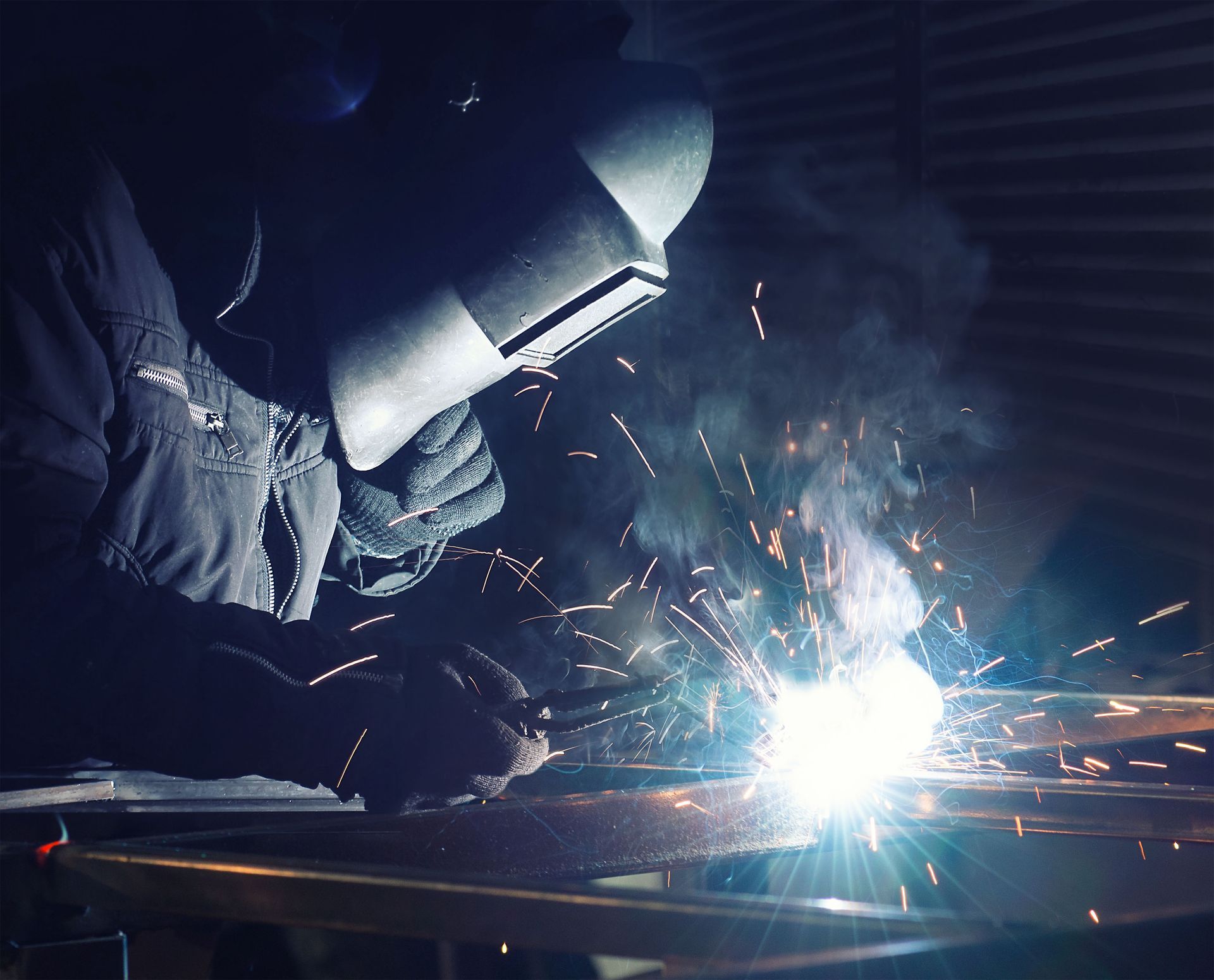
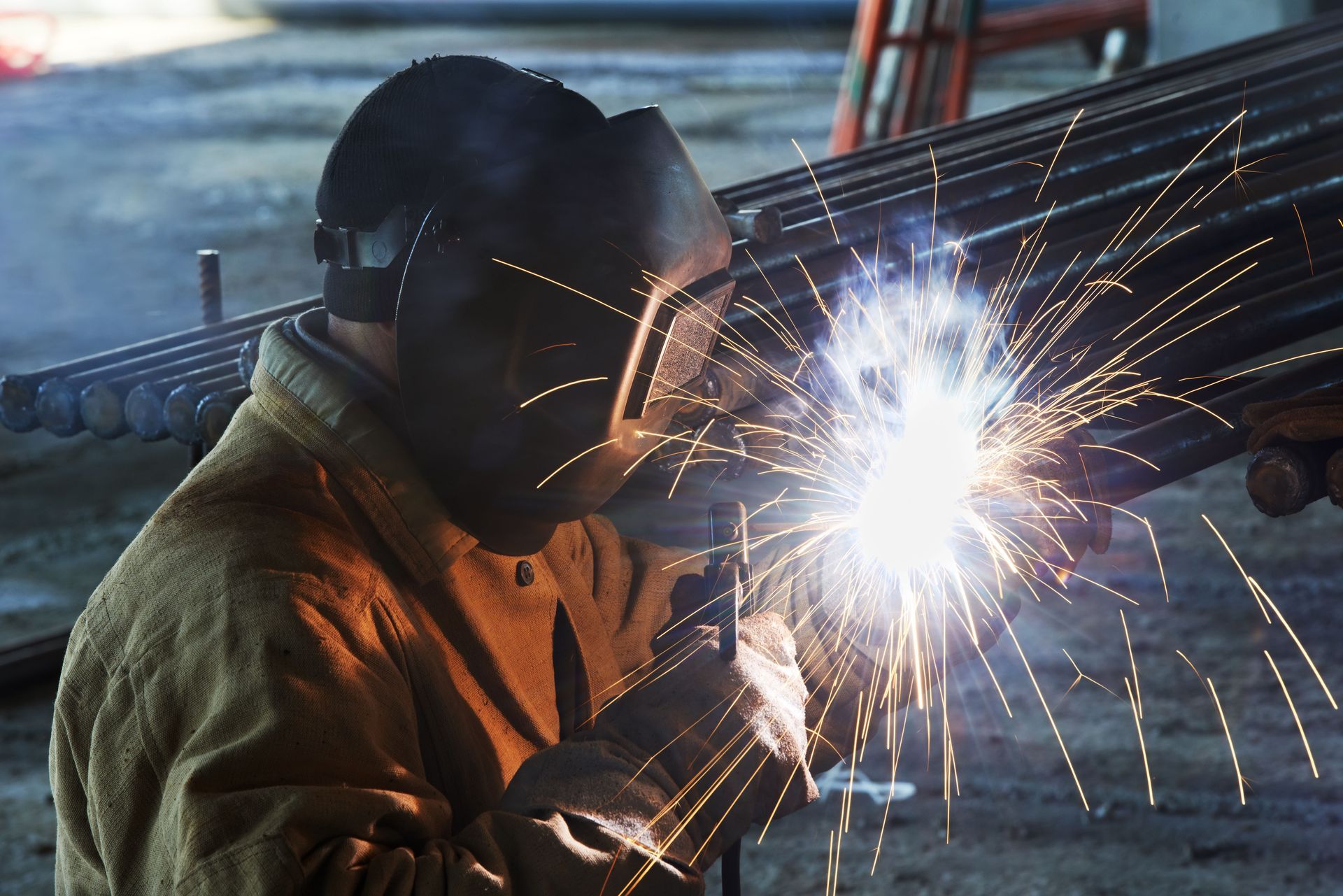
The primary defense for any industrial welder is a comprehensive set of personal protective equipment designed to withstand extreme thermal radiation and molten splatter. This begins with a high-quality, auto-darkening helmet that protects the eyes from "arc eye," a painful condition caused by ultraviolet light exposure. Flame-resistant leathers, including jackets, aprons, and gloves, are non-negotiable for shielding the skin from burns. Additionally, leather boots with metatarsal guards prevent heavy metal fragments or falling sparks from causing foot injuries. Ensuring every inch of skin is covered prevents long-term health issues related to radiation exposure and keeps the operator focused on the weld pool rather than the heat.
Inspecting Electrical Connections Frequently
Maintaining a safe circuit is paramount when dealing with the high amperage required for structural metal fusion. Before beginning any task, the operator must check all cables for frayed insulation, loose lugs, or damaged electrode holders that could lead to an accidental shock. Because a professional industrial welder often works in damp or cramped conditions, the risk of electrocution is a constant concern that requires vigilant monitoring. Ensuring that the machine is properly grounded prevents the current from taking an unintended path through the operator's body. These routine checks are the first line of defense against electrical fires and equipment malfunctions that could jeopardize the entire facility.
Ventilating Toxic Fumes Adequately
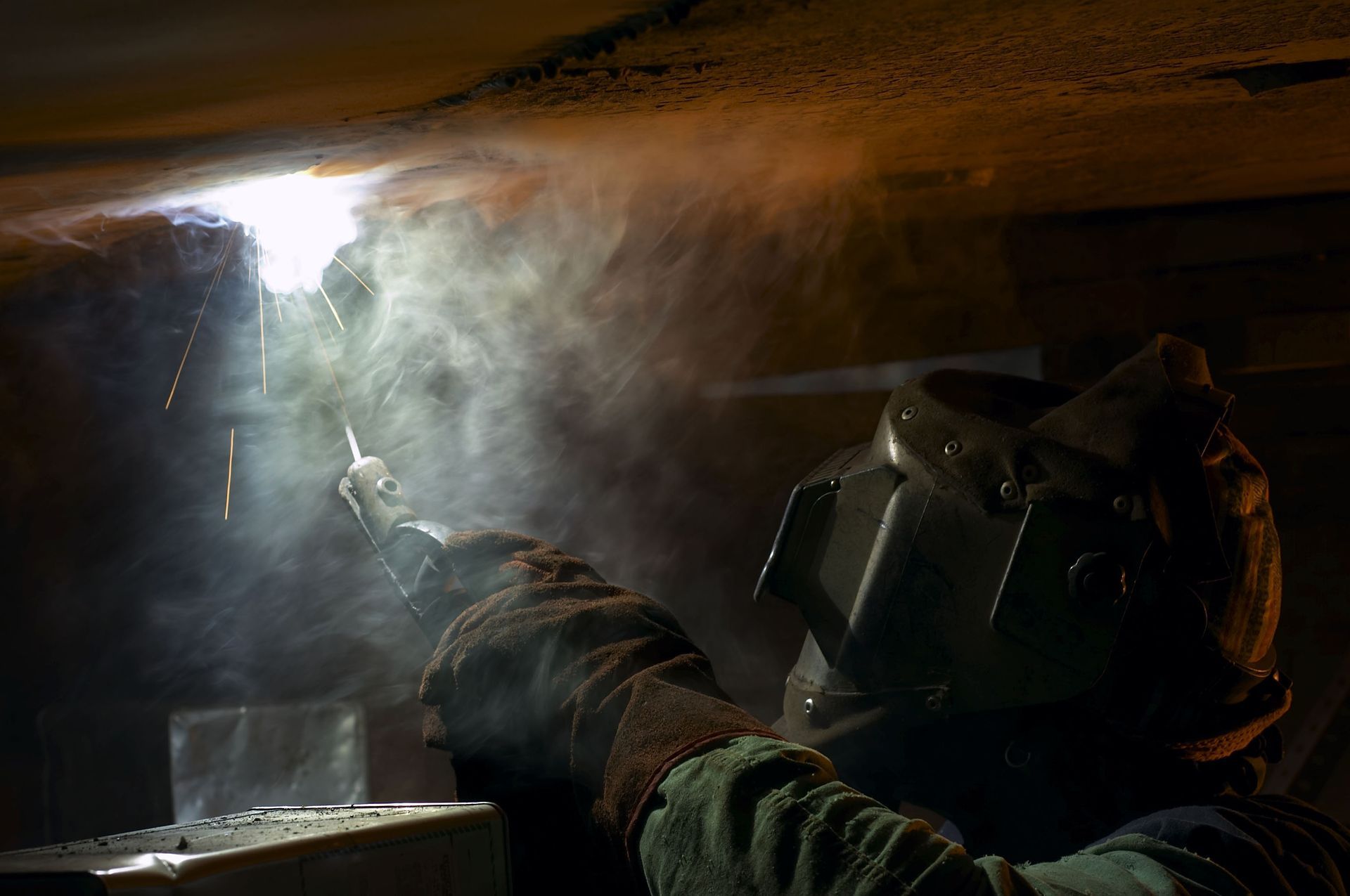
The chemical reactions that occur during the melting of base metals and filler rods release a cocktail of gases and particulates that can be hazardous if inhaled. Proper ventilation, whether through local exhaust hoods or ambient air filtration systems, is critical for maintaining respiratory health. This is especially true when working with galvanized steel or stainless steel, which can release zinc or hexavalent chromium fumes. According to U.S. News, About 70% of all manufactured products involve some degree of welding. This widespread application means that countless operators are potentially exposed to these airborne risks daily, making the use of respirators and air-movers a vital component of workplace safety.
Organizing The Workspace Efficiently
A cluttered environment is a breeding ground for accidents, particularly in a setting where sparks can fly up to thirty-five feet from the source. Removing flammable materials like paper, wood, or oily rags from the immediate vicinity is the most effective way to prevent flash fires. An industrial welder must also ensure that gas cylinders are secured in an upright position with safety caps in place when not in use. Keeping cables coiled and out of walking paths reduces trip hazards, while clearly marking hot metal with chalk prevents colleagues from accidental burns. A clean shop reflects a professional mindset and minimizes the variables that lead to injuries.
Monitoring Fire Suppression Systems
Even with a clean workspace, the high temperatures involved in metalwork mean that fire remains an ever-present threat that must be actively managed. Every station should be equipped with a fully charged fire extinguisher rated for electrical and chemical blazes, and the operator must be trained in its proper use. Implementing a "fire watch" protocol for at least thirty minutes after the last arc is struck ensures that smoldering embers do not ignite after the crew has left the area. This vigilance protects the capital investment of the facility and ensures that the industrial welder is prepared for the worst-case scenario at all times.
Shielding Bystanders From Radiation
The intense light generated by an electric arc is not only dangerous for the operator but also for anyone passing by the work area. Utilizing flame-retardant welding curtains or opaque screens is essential for containing the radiation within the designated booth. These barriers prevent accidental eye damage to coworkers and visitors who may not be wearing specialized eye protection. Communicating clearly with those in the vicinity by shouting "arc" before starting a bead provides a final warning to look away. Taking responsibility for the safety of others is a hallmark of a mature and highly skilled professional in the fabrication industry.
Managing Compressed Gas Safety
High-pressure cylinders containing shielding gases like argon, CO2, or oxygen require specialized handling to prevent them from becoming dangerous projectiles. A welder must always use a proper regulator and check for leaks using a non-detergent soap solution on the valves and hoses. It is critical never to use grease or oil on oxygen regulators, as this can cause an explosion upon contact with the gas. Storing fuel gases and oxygen separately when not in use further reduces the risk of a catastrophic event. Treating these cylinders with extreme respect is a fundamental safety requirement for every operator on the industrial floor.
Checking Material Compatibility Carefully
Fusing different types of alloys requires a deep understanding of metallurgy to prevent brittle joints or hazardous chemical reactions. Using the wrong filler metal can lead to structural failure, which poses a significant safety risk once the product is in service. Furthermore, cleaning the base metal to remove paints, coatings, or solvents is necessary to prevent the release of toxic vapors when the arc hits the surface. A professional industrial welder always verifies the Material Safety Data Sheet (MSDS) for any unfamiliar chemicals or coatings. This technical diligence ensures that the final product is safe for the end-user and the operator during fabrication.
Implementing Proper Ergonomic Positioning
Physical strain over long shifts can lead to chronic musculoskeletal issues, which are often overlooked in the pursuit of immediate safety. Operators should position their work at a comfortable height using jigs or turntables to avoid excessive bending or reaching. Taking frequent micro-breaks to stretch the neck, shoulders, and wrists prevents the repetitive strain injuries that can end a career prematurely. Staying in a balanced, stable stance while welding not only improves the quality of the bead but also reduces the fatigue that leads to mental lapses and accidents. Ergonomics is a vital component of a long-term, sustainable career in the heavy manufacturing sector.
Evaluating Tool Condition Regularly
Beyond the power source itself, hand tools like grinders, chippers, and clamps must be maintained in peak condition to avoid secondary injuries. A grinder with a cracked wheel or a missing guard can shatter at high speeds, sending shrapnel through the shop. Every industrial welder should inspect their power tools for frayed cords and ensure that all safety interlocks are functioning correctly before use. Using the right tool for the specific task prevents the "improvised" solutions that often lead to slips and cuts. Regularly sharpening and cleaning these accessories ensures they perform predictably and safely during the most demanding fabrication projects.
Maintaining a rigorous standard of safety is the defining characteristic of a world-class operator, ensuring that every project is completed without incident or injury. Throughout this guide, we have explored the essential habits, from electrical inspections to ergonomic positioning, that form the protective shield around a modern metalworker. It is clear that while the technical demands of the job are high, the personal demands of safety are even higher. By integrating these tips into your daily routine, you uphold the reputation of the trade and protect the most valuable asset in the shop: yourself. Welding is a powerful and essential process that builds the world around us, and doing it safely is the ultimate mark of craftsmanship. Are you seeking industrial welder services in the Cincinnati, OH area? The professionals at Summit Fabrication are ready to help! Call today for more information.