September 9, 2026
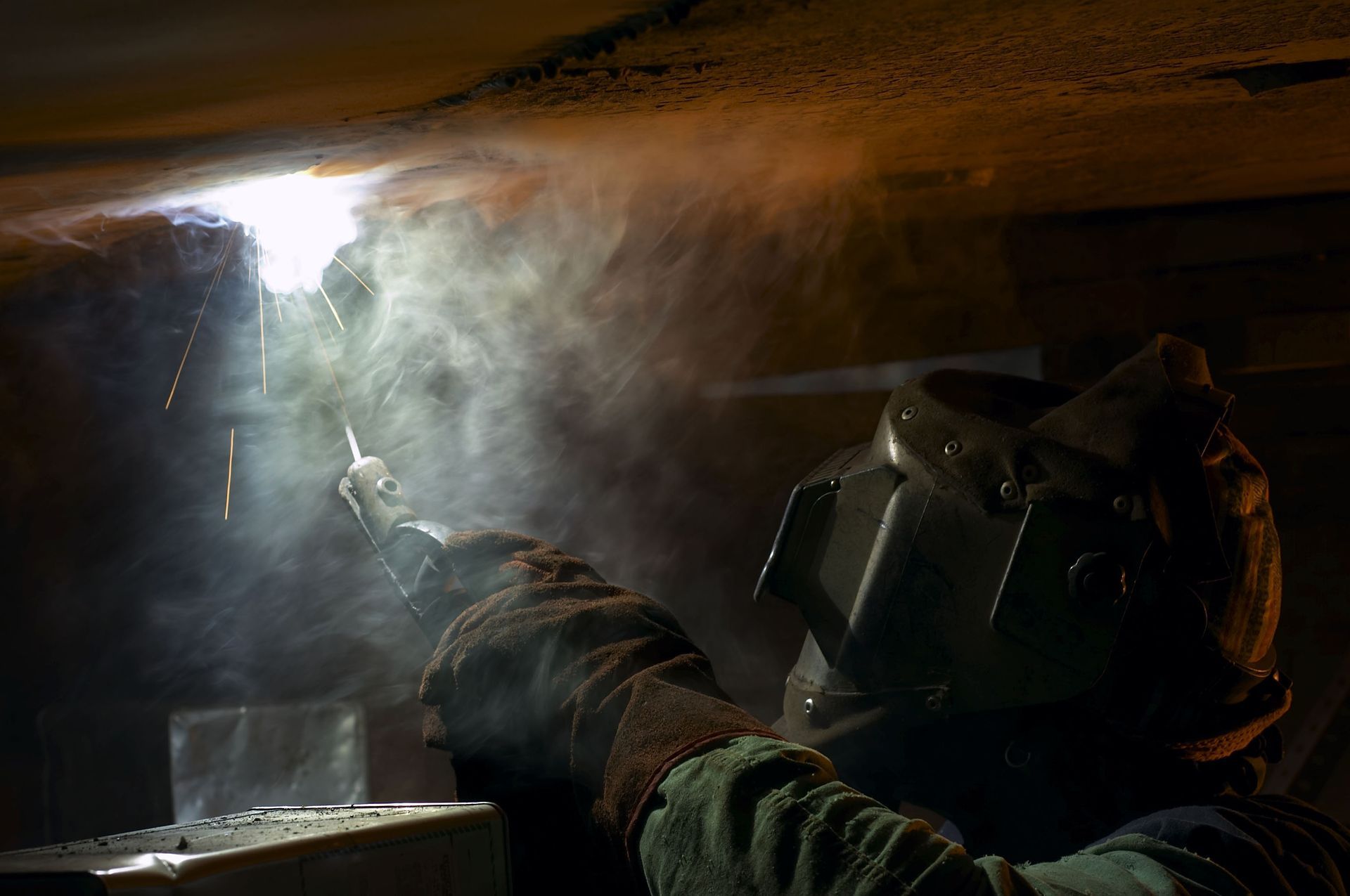
Welding stands as a foundational pillar in heavy manufacturing, supporting the structural integrity, operational safety, and long-term durability of complex industrial machinery, infrastructure, and commercial buildings. In modern production environments, highly skilled industrial welders must navigate evolving technical specifications, demanding project blueprints, and diverse metallic alloys while upholding uncompromising quality standards. Because even a slight flaw in a critical structural joint can trigger catastrophic mechanical failure, precision in workmanship remains essential across every phase of shop fabrication.
To maintain superior craftsmanship, the heavy fabrication sector relies on systematic methodologies, state-of-the-art equipment, and stringent quality assurance frameworks. Skilled industrial welders combine traditional hand techniques with modern technological tools to minimize material vulnerabilities, eliminate structural defects, and optimize production throughput. Understanding how these dedicated professionals achieve consistent structural compliance provides valuable insights into modern industrial manufacturing excellence, risk mitigation, and sustainable operational performance.
Acquire Advanced Certifications and Training
Rigorous training and formal certification programs form the essential baseline for professional qualification in heavy structural fabrication. Comprehensive coursework from accredited organizations equips tradespeople with vital theoretical knowledge regarding structural design, metallurgical properties, blueprint reading, and safety compliance. Certified experts demonstrate a proven capability to interpret complex engineering schematics accurately and execute precise joins under challenging shop conditions.
Hands-on apprenticeship programs effectively bridge theoretical classroom concepts with actual shop floor applications and production demands. Working directly alongside seasoned mentors allows junior professionals to refine their manual dexterity, adapt to diverse metal alloys, and master varied position welding techniques. Experiential training fosters practical problem-solving capabilities, enabling workers to adjust their execution dynamically when confronting challenging component fit-ups or specialized joint configurations.
Understanding material properties is equally vital for achieving sound, resilient structural bonds across heavy manufacturing projects. Professional industrial welders must evaluate thermal expansion rates, tensile strength, and corrosion resistance before initiating any joining process. Proper selection of filler metals and pre-heating procedures prevents cracking, heat stress, and joint degradation, ensuring long-term structural integrity under heavy operational loads.
Integrate Modern Welding Technologies
Technological advancements have altered how heavy components are joined, introducing sophisticated automation to elevate precision and operational throughput. Automated systems and robotic welding arms deliver exceptional repeatability on high-volume production lines, drastically reducing human error and keeping joint quality uniform across long assembly runs. These automated tools handle complex continuous seams efficiently, freeing technical staff to focus on intricate custom fabrication tasks.
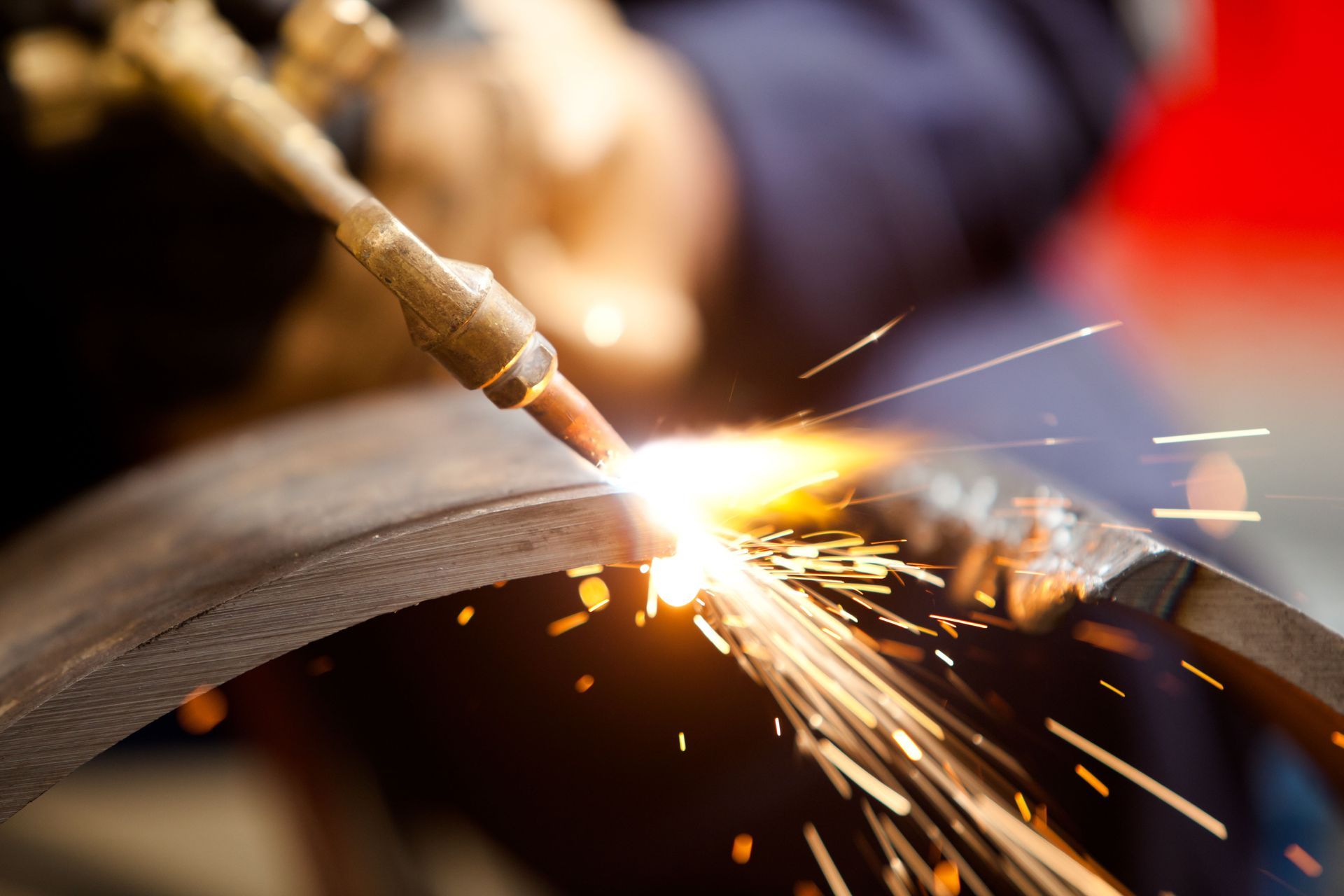
High-precision processes such as laser beam joining deliver deep weld penetration while maintaining minimal heat-affected zones on critical steel assemblies. Concentrated thermal energy reduces post-process distortion and minimizes the necessity for extensive grinding or post-weld rework. Integrating digital control units allows operators to monitor power parameters with extreme accuracy, yielding clean, high-integrity welds that meet demanding technical specifications.
Evolving equipment design also aligns modern fabrication workflows with broader environmental objectives across the industrial sector. According to the Steel Tube Institute, environmental impacts from steelmaking are declining because grid-efficient electric arc furnace mills release 75% less carbon dioxide compared to basic oxygen furnace methods. Embracing these energy-efficient technologies helps industrial facilities maintain exceptional output quality while reducing carbon footprints.
Execute Rigorous Quality Control Inspections
Maintaining superior standards across heavy manufacturing requires rigorous inspection protocols at every distinct stage of fabrication. Systematic evaluations begin with raw material verification and precise joint preparation checks prior to arc initiation. Continuous in-process monitoring ensures that preheat temperatures, travel speeds, and filler deposition rates remain strictly within specified engineering tolerances.
Non-destructive testing methods provide vital insights into internal structural integrity without compromising or damaging the underlying metal components. Advanced techniques like ultrasonic testing, industrial radiography, and magnetic particle inspection allow trained operators to detect subsurface flaws, internal porosity, or incomplete fusion. Early detection of internal anomalies prevents premature structural failures and protects project schedules from costly disruptions.
Qualified industrial welders utilize detailed operational checklists and standard operating procedures to maintain uniform production standards across shifts. Standardized workflows clarify technical expectations and establish clear accountability across complex multi-stage assembly projects. When quality assurance teams identify minor imperfections, immediate corrective actions are taken to repair defects before components advance to downstream assembly operations.
Establish Comprehensive Safety Protocols
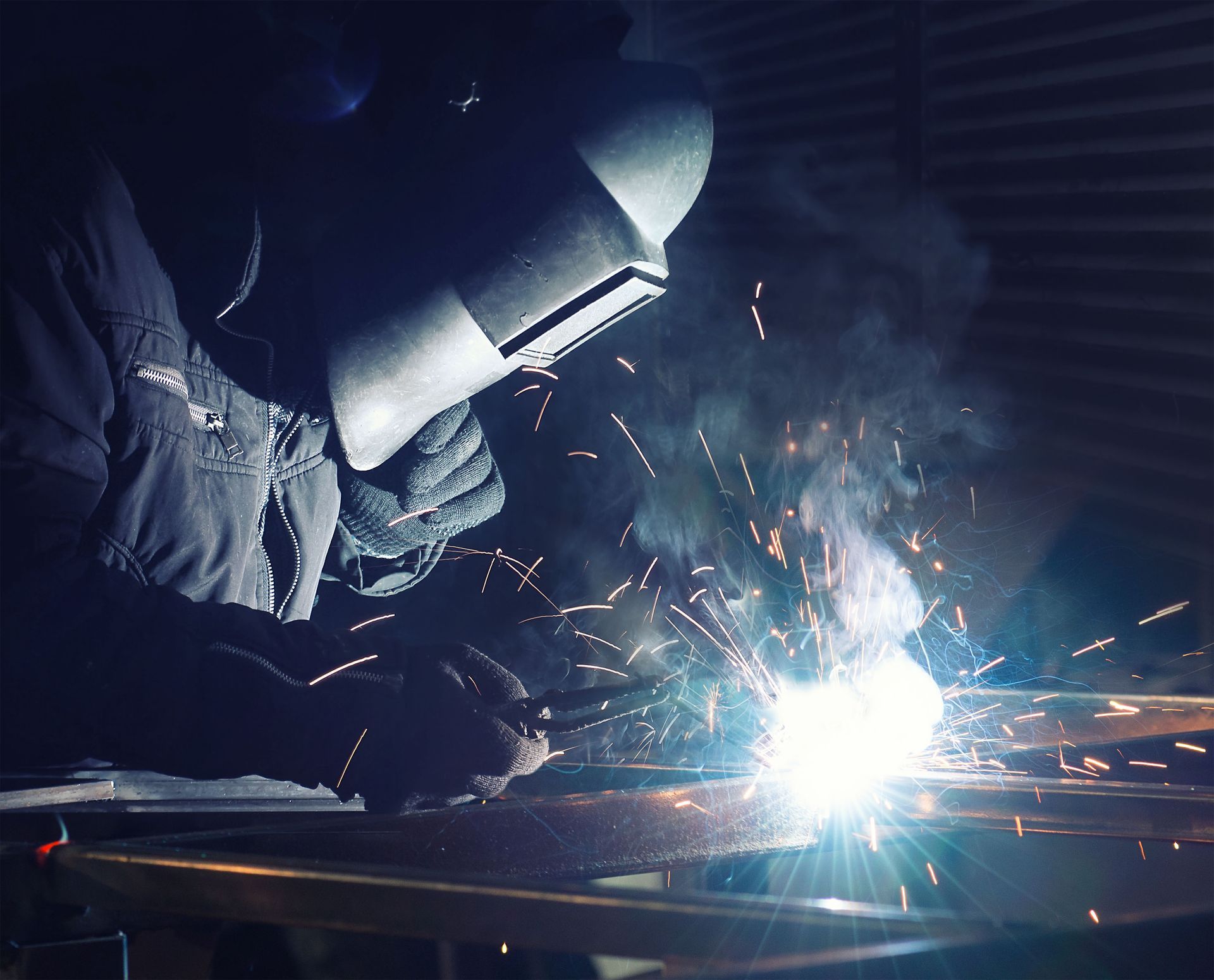
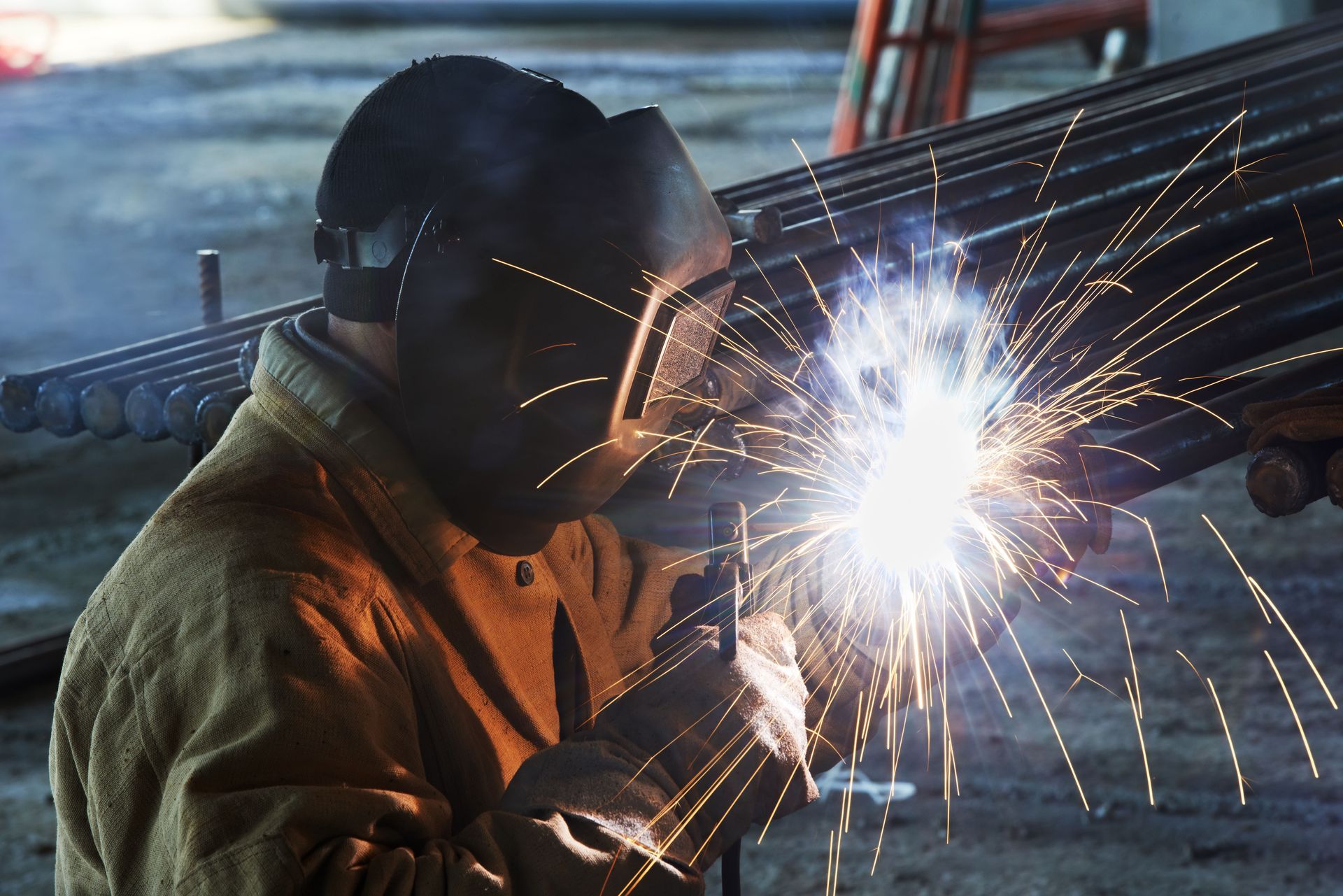
A relentless focus on workplace safety directly influences craftsmanship quality and overall operational efficiency in metal fabrication facilities. Equipping technicians with high-grade personal protective equipment shields workers from thermal hazards, dangerous arc radiation, and toxic airborne particulates. Safe working environments allow specialized personnel to concentrate fully on execution precision without suffering unnecessary physical strain or hazard distraction.
Comprehensive safety training programs prepare shop personnel to identify potential hazards, operate high-voltage machinery correctly, and handle compressed gas cylinders safely. Regular safety briefings reinforce emergency response procedures and foster a pervasive culture of active risk management across all production floors. Proactive hazard mitigation reduces facility downtime and protects valuable human capital across demanding industrial operations.
Dedicated industrial welders contribute significantly to maintaining a safe shop atmosphere by adhering strictly to facility safety protocols. Routine equipment maintenance, proper ventilation checks, and tidy workspace management prevent preventable workplace accidents. Prioritizing safety establishes a solid, dependable foundation for consistent craftsmanship, operational productivity, and high-volume structural production.
Promote Continuous Operational Improvement
Adopting lean manufacturing principles empowers heavy fabrication facilities to eliminate procedural waste while elevating final product quality. Streamlining shop floor layouts, optimizing material handling, and standardizing tool staging reduce unnecessary downtime between production cycles. Lean methodologies encourage staff members to examine daily routines critically and discover practical opportunities for incremental performance enhancement.
Structured feedback mechanisms and regular performance reviews create a productive workplace culture centered on technical growth and operational refining. Analyzing detailed production metrics enables management to identify process bottlenecks and implement targeted skill development interventions. Open communication between floor technicians and engineering teams ensures that practical field insights inform future project design planning.
Encouraging innovation at the shop floor level drives meaningful advances in joint preparation, jig design, and overall assembly speed. Experienced industrial welders frequently devise creative solutions for tricky joint access or thermal distortion management issues. Recognizing and implementing these frontline technical innovations drives long-term competitive advantages across demanding heavy manufacturing sectors.
Strengthen Interdepartmental Workplace Collaboration
Seamless communication between structural engineers, quality inspectors, and shop floor technicians ensures project specifications are interpreted accurately. Detailed interdepartmental briefings clarify design intent, dimensional tolerances, and material requirements long before physical fabrication begins. Aligning departmental goals minimizes misinterpretations that could lead to unnecessary material scrap, engineering rework, or costly project delays.
Modern collaboration software and digital management platforms connect shop floor operators directly with engineering teams in real time. Digital blueprints, instant messaging, and shared project management dashboards enable swift resolution of technical queries or field modifications. Streamlined digital communication keeps active projects moving forward efficiently while upholding rigorous compliance standards.
Building strong strategic relationships with external material suppliers and clients further reinforces overall heavy manufacturing quality. Close supplier alignment ensures steady access to fully certified raw metals and specialized consumables that match exact engineering parameters. Likewise, maintaining open dialogues with clients guarantees that finished heavy machinery and structural assemblies fulfill exact operational expectations.
Sustaining excellence in heavy structural fabrication requires a comprehensive operational framework that integrates rigorous training, advanced technology, strict quality control, and proactive safety management. Skilled industrial welders serve as the vital connection bridging technical engineering blueprints to reliable physical structures, ensuring that heavy machinery and infrastructure meet demanding performance standards. By combining continuous process improvement with strong cross-departmental collaboration, modern manufacturing facilities deliver structural integrity that withstands rigorous operational demands.
As industrial structural requirements grow increasingly complex, partnering with experienced fabrication specialists becomes essential for achieving long-term project success and structural durability. Contact us today at Summit Fabrication LLC to explore how our team can deliver exceptional quality, precision, and reliable engineering solutions for your next heavy manufacturing project.