November 10, 2026
Modern infrastructure depends on strong, reliable structures that support daily life and economic activity. Buildings, bridges, transportation systems, and industrial facilities all require materials and connections that can handle regular use and changing conditions. Welding plays an important role in bringing these structures together by joining metal components into stable assemblies. Understanding how industrial welding supports infrastructure can help explain its value in construction, manufacturing, and long-term development. This article explores how welding contributes to structural strength, project efficiency, material use, and the continued growth of modern infrastructure.
Connecting Essential Structures
Infrastructure includes many structures that people rely on every day. Roads, bridges, buildings, transportation networks, and utility facilities all help communities function. Many of these structures use metal components that must be joined securely to support their intended purpose. Welding provides a way to connect these components and create larger structures from separate pieces of material. The strength of these connections can affect how a structure performs over time. Metal components may need to support weight, withstand movement, or respond to changing environmental conditions. Properly completed welds help distribute forces across connected materials and support the overall stability of a structure.
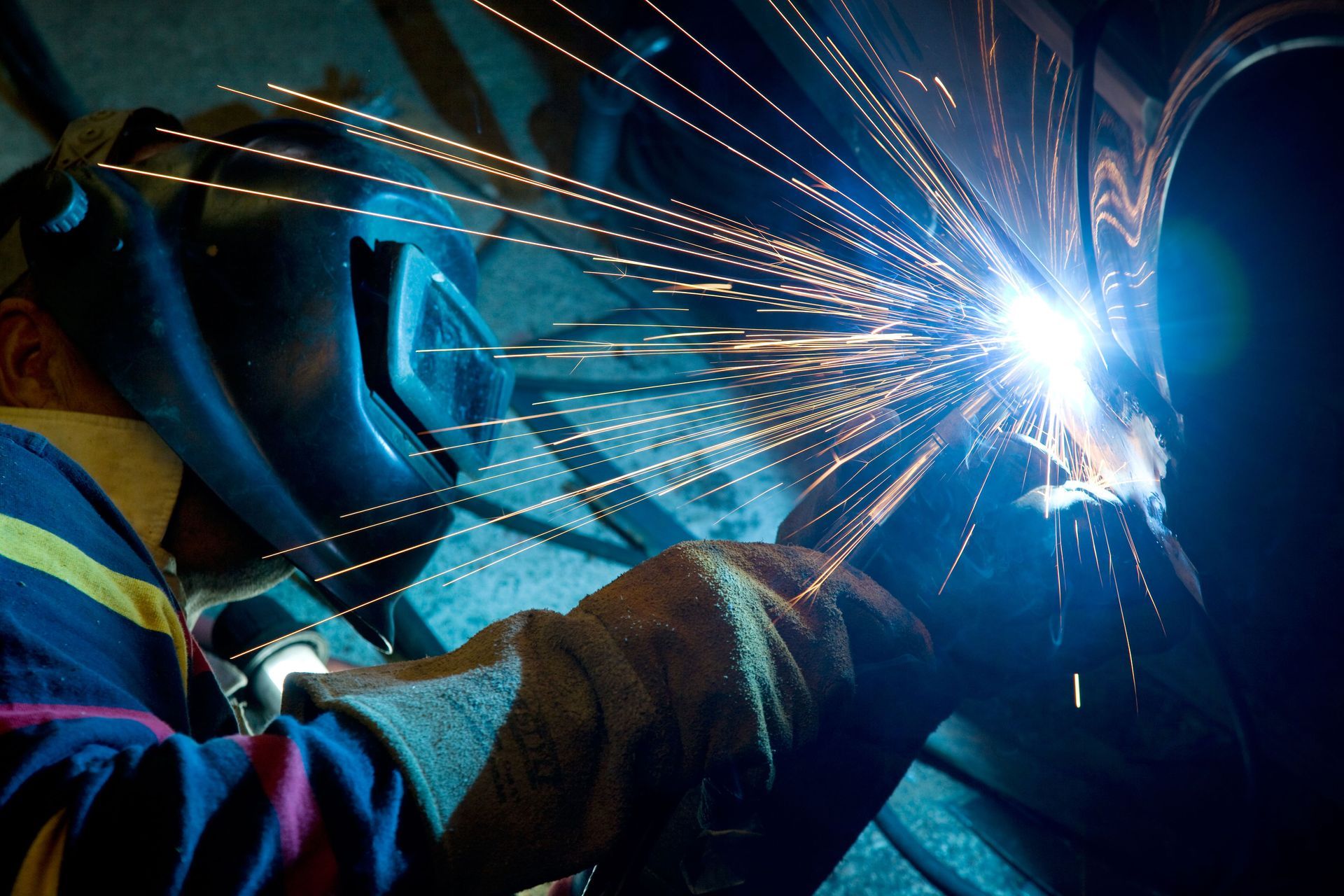
Industrial welding is used in many areas of infrastructure because it allows metal components to be joined in ways that support structural requirements. The process can be adapted to different materials, shapes, and project conditions. This flexibility makes welding an important part of infrastructure development. Infrastructure projects also depend on coordination between different stages of construction. Metal components may be prepared, assembled, and joined before being placed into their final locations. Welding helps connect these stages by allowing individual parts to become larger structural assemblies.
Supporting Structural Strength
Structural strength is a major consideration in infrastructure development. Buildings, bridges, and other large structures must handle the forces placed on them during regular use. These forces may include the weight of the structure itself, equipment, vehicles, and environmental conditions such as wind. Welded connections help transfer these forces between metal components. When the connections are properly designed and completed, they can support the intended performance of the larger structure. The quality of the welding process is important because a weak connection may affect the performance of surrounding components.
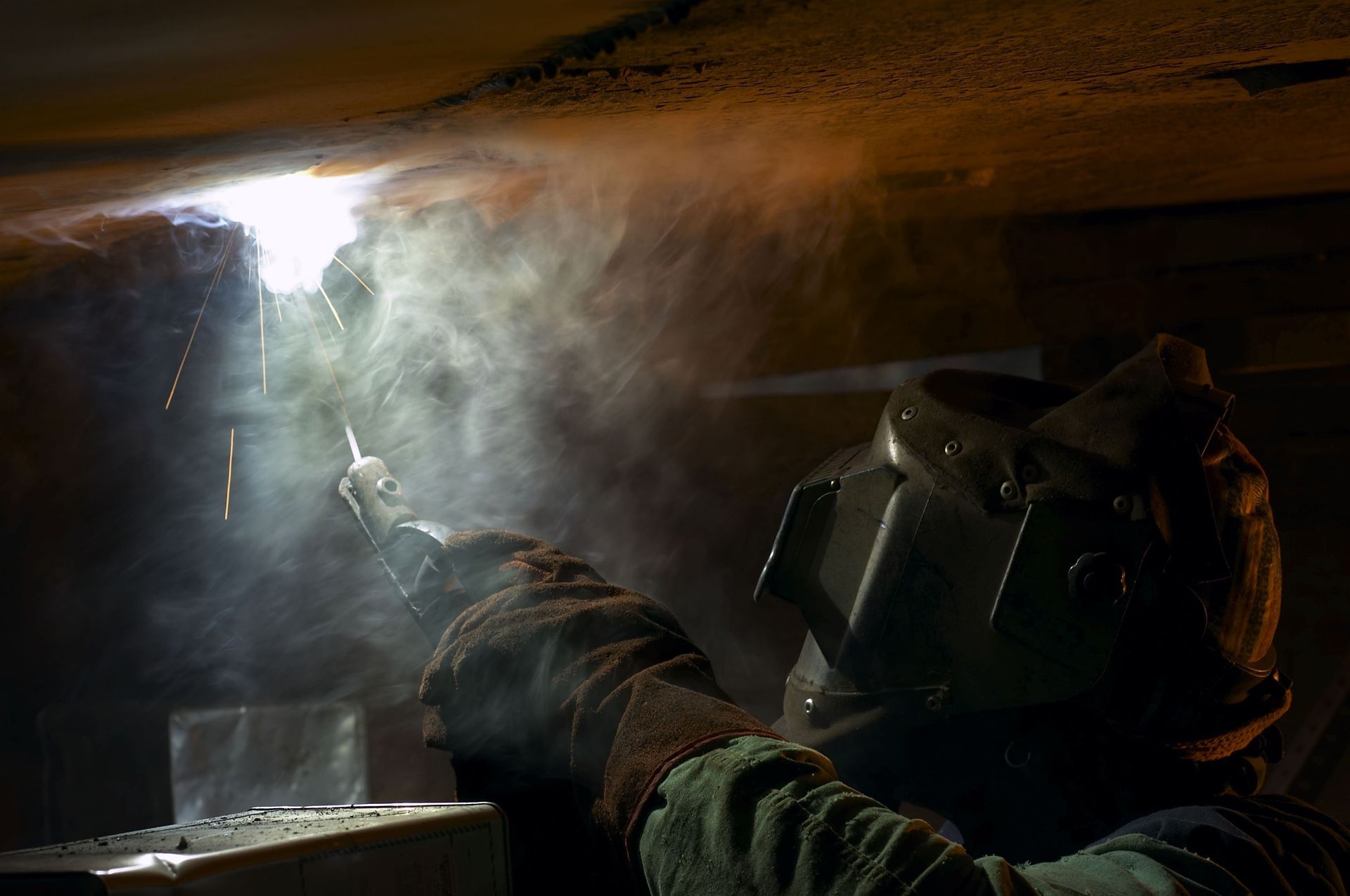
Industrial welding supports structural strength by joining metal parts into connected assemblies. The process requires attention to material properties, joint design, and the conditions under which welding takes place.
These factors can influence how a finished connection performs. Different infrastructure projects may have different structural requirements. A large building may need connections that support several levels, while a bridge may require joints that respond to repeated movement and changing loads. Welding methods must account for these differences. Proper inspection is also an important part of structural work. Welds may be evaluated to determine whether they meet the requirements of a project. This process helps identify concerns that could affect the finished structure and provides information about the quality of the completed work.
Improving Construction Efficiency
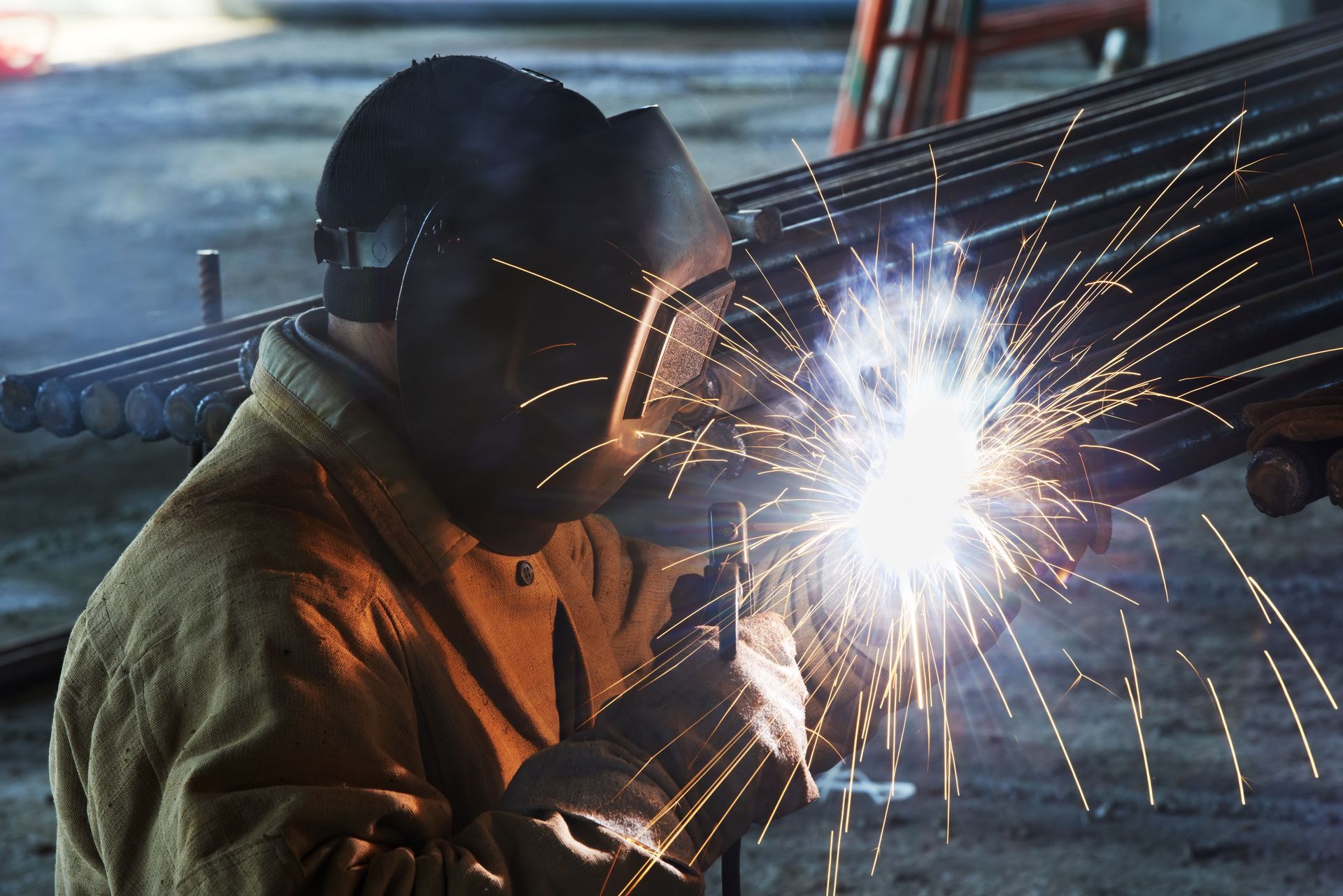
Infrastructure projects often involve many connected tasks, materials, and schedules. Delays in one stage can affect other parts of the project. Welding can support construction efficiency by allowing metal components to be joined during different stages of fabrication and assembly. Some components can be prepared and welded in controlled work environments before being transported to a construction site. This approach can help organize the work and reduce the amount of assembly required at the final location. It may also make it easier to coordinate material preparation with other construction activities.
Industrial welding supports these processes by allowing metal components to be assembled according to project requirements. When fabrication and construction activities are planned together, teams can better manage the movement of materials and the timing of installation. Efficiency also depends on selecting appropriate welding methods. Different projects may require different approaches based on material thickness, joint design, and the location of the work. Choosing a suitable method can help reduce unnecessary delays and support consistent results. Careful planning remains important throughout the process. Materials must be prepared correctly, work areas must be organized, and completed connections must be checked. These steps help support a more predictable construction process.
Expanding Material Use
Metal is widely used in infrastructure because it can provide strength and support for a range of building needs. Steel, in particular, is used in many structures because it can be shaped, assembled, and connected to meet different project requirements. Welding allows separate metal components to become part of a larger structure. The use of recycled steel is also an important part of modern material production. Reusing steel can reduce the need for newly produced material and support more efficient resource use. The way steel is produced can affect its environmental impact, including the amount of energy required during manufacturing.
According to the Steel Tube Institute, electricity-driven electric arc furnace processes rely on local grid carbon intensity while utilizing approximately 60% to 70% recycled steel scrap as the main ingredient for hollow structural section coil production. This highlights the role of recycled materials in producing steel for infrastructure, while the environmental impact depends partly on local electricity sources. Industrial welding connects metal components that may contain recycled content, turning them into useful structural elements. Material selection also remains important, as a structure's intended use, environmental conditions, and material properties can affect its long-term performance.
Managing Complex Projects
Modern infrastructure projects can involve many different components that must fit together in a specific way. Large structures may require connections between beams, supports, frames, and other metal elements. Each connection must be completed according to the project's design and construction requirements. Welding supports this work by allowing metal components to be joined into larger assemblies. The process can be used for structures with different shapes and sizes, making it useful across a wide range of infrastructure projects. This flexibility can help construction teams work with complex designs while maintaining a consistent approach to fabrication.
The ability to connect separate metal components also supports the construction of larger structures from smaller parts. These connections can help create assemblies that are easier to transport, position, and incorporate into a project. Careful attention to dimensions and joint placement can help components fit together as intended. This is particularly important when several parts must connect within a larger structure. Industrial welding also supports coordination between design and construction. Drawings and project specifications guide component placement and connection requirements. Clear communication between fabrication teams, engineers, and construction workers helps reduce misunderstandings and delays. Careful planning is important when components are prepared off-site, as their dimensions and connections must match the final structure. Addressing these details early can make assembly more organized and predictable.
Infrastructure development supports growing communities and businesses. New buildings, transportation systems, and industrial facilities rely on welding to connect metal components and support construction. The strength and condition of these connections can affect a structure's long-term performance. Careful planning, material selection, inspection, and maintenance also contribute to quality infrastructure. As projects develop, teams must consider how each component will function within the larger structure. These decisions can influence construction progress and the continued use of the finished infrastructure. For professional industrial welding support, contact Summit Fabrication LLC to discuss your infrastructure and fabrication needs.